Discover the secrets of silk in the Ardèche
Step into the world of silk and experience an unforgettable journey through time. At the silk museum in Lagorce—the largest working silkworm farm in France—you will uncover the fascinating history of this precious fabric.

An adventure for the whole family
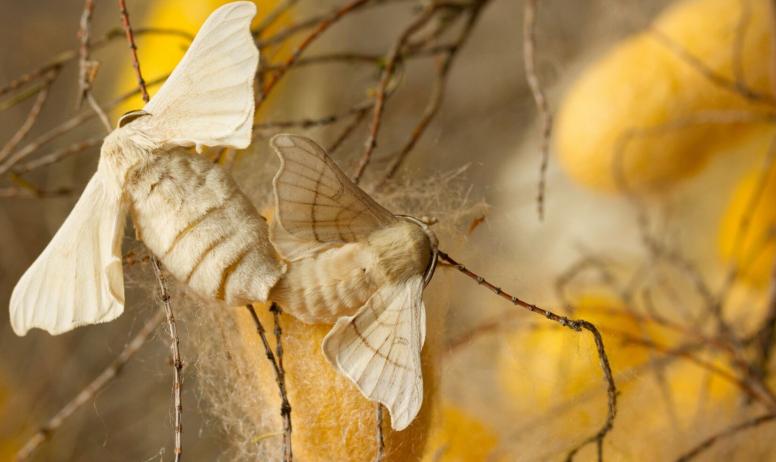
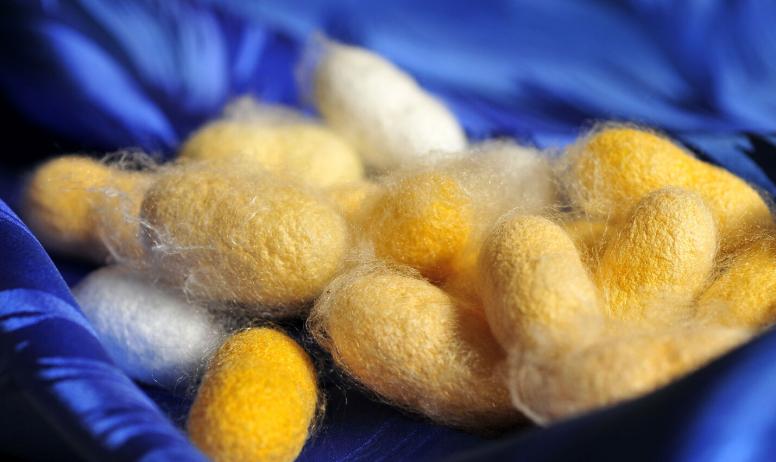
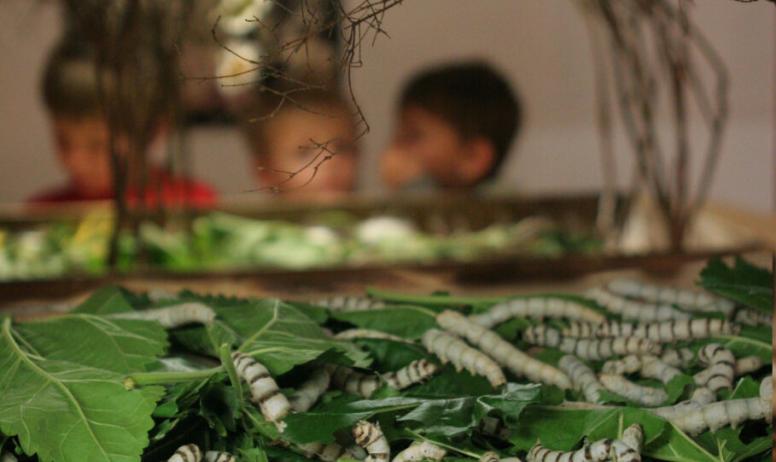
The Ardèche holds a fascinating past, one deeply intertwined with the golden age of the silk industry. Well into the twentieth century, the rhythm of sericulture—silk farming—shaped the lives of nearly every rural household. In the attics and dedicated rooms of traditional stone farmhouses, entire families raised silkworms. These industrious little creatures would feast incessantly on fresh green leaves, eventually spinning the lustrous, precious cocoons from which Europe’s finest silk threads were produced.
The rise of sericulture in the Ardèche
In the nineteenth century, sericulture reached its absolute zenith in the south of France. The mild climate and lime-rich soil proved perfectly suited for planting white mulberry trees, whose leaves served as the sole food source for these fastidious caterpillars. Large weaving mills in cities like Lyon had a voracious demand for high-quality silk, making the practice an essential source of supplementary income for countless farming families. Encouraged by favorable market prices and government incentives, the region transformed into a bustling hub of silk production—a process in which women and children, in particular, took on the daily care of the silkworms with remarkable dedication and precision.
Life inside the “magnanerie”
During the rearing season, daily life within the magnanerie—the traditional silk-rearing room—turned into a true race against the clock. The day began with the gathering of fresh, dry mulberry leaves, which were needed to feed the ever-growing caterpillars day and night. The rearing trays required constant hygiene, steady temperatures, and careful ventilation to keep diseases at bay. Once the caterpillars had reached full maturity and completed their silk cocoons, the delicate harvest could begin. The cocoons were carefully collected, steamed to neutralize the pupae, and then submerged in hot water to dissolve the natural adhesive layer—allowing the gossamer-thin threads to be meticulously spun into strong yarn and subsequently dyed.
The legacy of a golden craft
Towards the end of the nineteenth and the beginning of the twentieth century, the local silk industry faced severe setbacks. Epidemics among the caterpillars, the rise of synthetic fabrics, and intense competition from Asia gradually brought production to a standstill. Nevertheless, this cultural history remains deeply rooted in the landscape and villages of the Ardèche, still visible today in the characteristic rows of pollarded mulberry trees and the stately “silk houses.” At the Silk Museum in Lagorce, this rich tradition is kept alive with passion and dedication, ensuring that this unique regional heritage is not lost.
Discover, experience, and admire in Lagorce
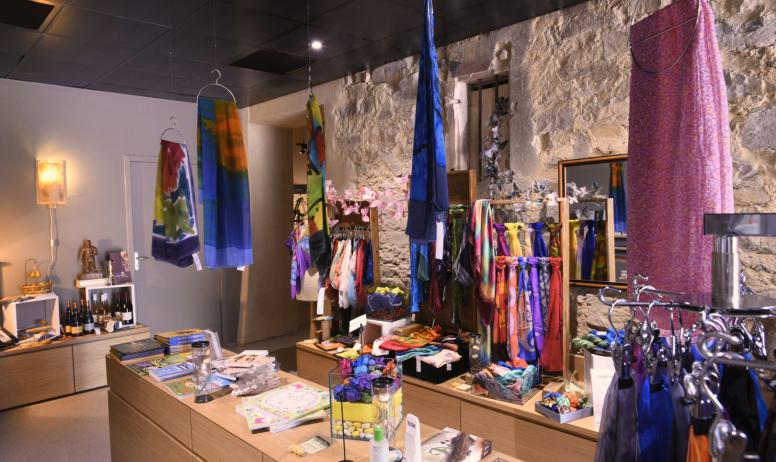
The museum offers an interactive, sensory experience for all generations. While children marvel at the live caterpillars and their wondrous transformation process, adults can delve into the social and economic history of the region. During demonstrations and creative workshops, you can see for yourself how a cocoon is unwound and discover the smooth, supple texture of genuine silk thread. Afterward, the medieval streetscape of Lagorce invites you to take a leisurely stroll past art galleries and distinctive facades—perhaps picking up a stylish, locally crafted silk product from the museum shop as a memento.
Practical information: Magnanerie Silk Museum, 320 Rue de la Traverse, 07150 Lagorce, Telephone: +33 4 75 88 01 27. Click for more information.